Fly Bites: Symptoms, Treatment & Prevention
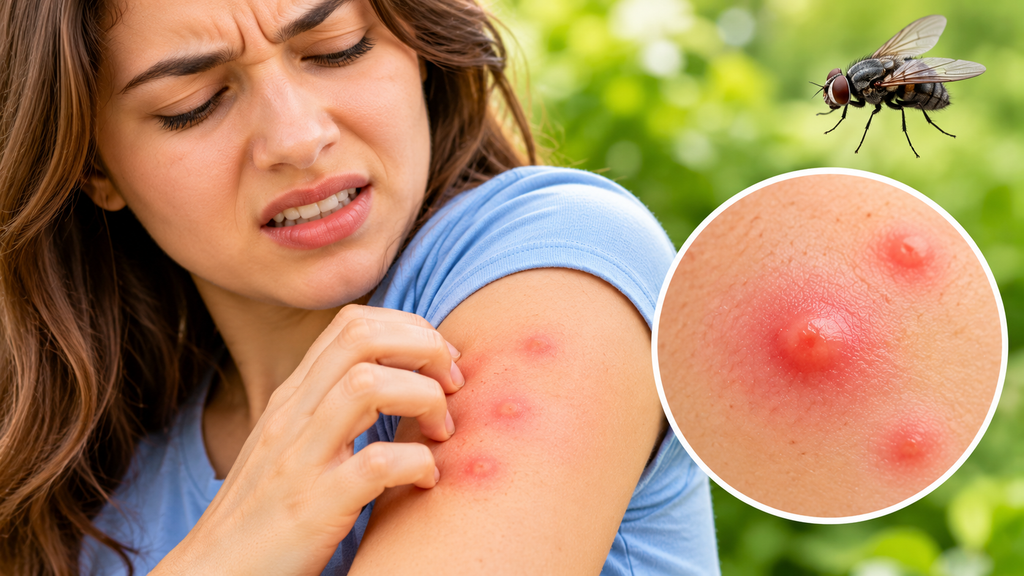
Fly bites can cause pain, itching, redness, and swelling. Some flies, such as horseflies and deer flies, cut the skin when they bite. Smaller flies, including black flies and biting midges, may leave itchy red bumps. Most mild reactions can be managed at home. However, some bites may cause allergic reactions or skin infections. This guide explains what fly bites look like, which flies bite humans, how to treat them, and when to seek medical care. What Do Fly Bites Look Like? Fly bites can look different depending on the type of fly. Common signs include: Horsefly and deer fly bites can be painful because these flies cut the skin. Black fly and biting midge bites are often smaller but may cause intense itching. Not every red or itchy bump is a fly bite. Other insect bites and skin conditions can look similar. Types of Flies That Bite Humans Several types of flies can bite people. Their bites may differ in appearance and severity. 1. Horsefly Bites <AsyncImage query=”horsefly bite on human skin red swollen welt” aspectRatio=”16:9″ width=”100%”/> Horseflies are large biting insects. They use blade-like mouthparts to cut the skin and feed on blood. A horsefly bite may cause: The bite can be uncomfortable, but many reactions improve with basic home care. 2. Deer Fly Bites <AsyncImage query=”deer fly biting human skin close up” aspectRatio=”16:9″ width=”100%”/> Deer flies are another type of biting fly. Like horseflies, they cut the skin to feed on blood. Their bites can cause pain, redness, swelling, and irritation. The reaction may vary from person to person. 3. Black Fly Bites <AsyncImage query=”black fly bites small red itchy bumps on human skin” aspectRatio=”16:9″ width=”100%”/> Black flies are small insects that may bite exposed skin. Their bites can cause red bumps, itching, and swelling. Some people develop a stronger local reaction. Scratching the affected area can damage the skin and increase the risk of infection. 4. Sand Fly Bites <AsyncImage query=”sand fly bites red itchy bumps on human leg” aspectRatio=”16:9″ width=”100%”/> Sand flies are tiny biting insects. Their bites may cause small, itchy red bumps. Some infected sand fly species can transmit leishmaniasis. However, not every sand fly carries the parasite, and not every bite causes the disease. The risk depends on the species and location. 5. Biting Midge Bites <AsyncImage query=” biting midge no see um bites itchy red bumps on skin” aspectRatio=”16:9″ width=”100%”/> Biting midges are very small flies, sometimes called no-see-ums. Their bites may cause small red bumps, itching, and skin irritation. Because these insects are tiny, people may feel the bite without seeing the fly. Common Symptoms of Fly Bites Symptoms depend on the type of fly and how your skin reacts. Common symptoms include: Some people experience stronger reactions than others. Avoid scratching because it can break the skin and lead to infection. Why Do Flies Bite Humans? Some flies bite humans to obtain blood. They use it as a food source, including for reproduction in certain species. Not all flies bite people. Common houseflies are not the same as biting flies such as horseflies, deer flies, black flies, and biting midges. Fly Bites Treatment: How to Relieve Symptoms Most mild fly bites can be treated at home. Follow these steps to reduce irritation and discomfort. 1. Clean the Bite Wash the affected area with soap and water. This helps remove dirt and clean the skin. 2. Apply a Cold Compress Place a cold pack wrapped in a clean cloth over the bite. This can help reduce swelling and discomfort. Avoid putting ice directly on your skin. 3. Use Anti-Itch Products Calamine lotion or hydrocortisone cream may help relieve itching. Follow the product instructions and ask a healthcare professional if you are unsure which treatment is suitable. 4. Consider Over-the-Counter Medicine An antihistamine may help with itching. An over-the-counter pain reliever may help with discomfort. Follow the label instructions and check with a pharmacist if you have questions. 5. Avoid Scratching Try not to scratch or rub the bite. Scratching can damage the skin and increase the risk of a secondary bacterial infection. Are Fly Bites Dangerous? Most fly bites cause local skin reactions, such as pain, itching, redness, or swelling. However, some bites can lead to complications. Possible problems include: The risk depends on the type of fly and the circumstances of the bite. Signs of an Infected Fly Bite A bite may become infected if bacteria enter the damaged skin. Watch for: Seek medical advice if these symptoms appear or the affected area gets worse. Allergic Reactions to Fly Bites Some people may have an allergic reaction after a fly bite. Mild reactions can include increased itching and swelling. A severe allergic reaction requires emergency medical attention. Get help immediately if you experience: Do not wait for these symptoms to improve on their own. How to Prevent Fly Bites You can reduce your chances of being bitten by taking simple precautions: These steps can help reduce contact with biting insects. When Should You See a Doctor? Many mild fly bites improve with home care. However, contact a healthcare professional if: Seek emergency help for breathing problems, throat tightness, dizziness, or swelling of the face or mouth. Frequently Asked Questions 1. What do fly bites look like? Fly bites may appear as red bumps, raised welts, or swollen areas: some cause pain, itching, or minor bleeding. 2. What happens if a fly bites you? You may experience pain, redness, itching, and swelling. The reaction depends on the type of fly and your skin’s response. 3. What is the best treatment for fly bites? Wash the area with soap and water, apply a cold compress, and use suitable anti-itch products. Avoid scratching the bite. 4. Are fly bites dangerous? Most cause mild skin reactions. However, some can lead to allergic reactions or infections. Certain infected sand fly species can also transmit leishmaniasis. 5. Do all flies bite humans? No. Only certain types of flies bite humans. Horseflies, deer flies, black