Pneumonia: Symptoms, Causes, Types and Treatment
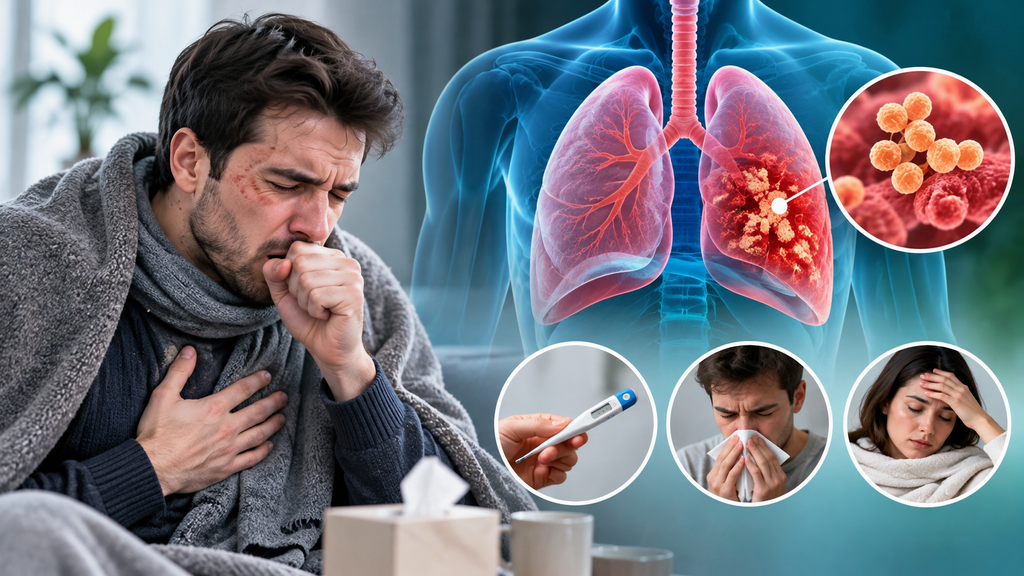
Pneumonia is a lung infection that causes inflammation in the air sacs, known as alveoli. These air sacs may fill with fluid or pus, making breathing difficult. Pneumonia can affect one or both lungs and may range from mild to serious. Understanding pneumonia symptoms, causes, and treatment can help people recognize the condition and seek medical care at the right time. What Are the Main Symptoms of Pneumonia? Pneumonia symptoms can vary depending on the cause, age and general health of the affected person. Common symptoms include: Some people may experience symptoms that develop gradually, while others become unwell more quickly. Babies and older adults may show different signs, so unusual breathing or changes in behavior should not be ignored. What Causes Pneumonia? Pneumonia usually develops when germs infect the lungs. The main causes include: Bacteria: Bacterial pneumonia can develop from organisms such as Streptococcus pneumoniae. Antibiotics are commonly used to treat bacterial pneumonia. Viruses: Influenza, respiratory syncytial virus (RSV) and COVID-19 can cause viral pneumonia. Treatment depends on the virus and the severity of the illness. Fungi: Fungal pneumonia is less common and can affect people who have certain health conditions or weakened immune systems. Pneumonia can also develop after food, liquid, saliva or vomit enters the airways and reaches the lungs. This is known as aspiration pneumonia. What Are the Types of Pneumonia? Pneumonia can be classified by the germ causing it or where the infection develops. The type of pneumonia helps healthcare professionals decide which treatment may be appropriate. Is Pneumonia Contagious? Pneumonia itself is not always contagious. However, some bacteria and viruses that cause it can spread between people through respiratory droplets. Fungal infections that cause pneumonia generally do not spread from person to person. The contagious period depends on the germ responsible, so there is no single timeframe that applies to every case. Who Is at Risk of Pneumonia? Anyone can develop pneumonia, but certain people have a higher risk of serious illness. These include: How Is Pneumonia Diagnosed? A healthcare professional usually reviews symptoms and medical history and listens to the lungs with a stethoscope. Additional tests may be needed to confirm pneumonia or identify its cause. These tests can include: Sometimes, doctors cannot identify the exact germ responsible for the infection. How Is Pneumonia Treated? Pneumonia treatment depends on its cause, severity and the patient’s health. Bacterial pneumonia: Doctors usually prescribe antibiotics. Patients should take the medicine as directed and complete the prescribed course. Viral pneumonia: Treatment may include rest, fluids and symptom management. Antiviral medicines may help with certain viral infections. Fungal pneumonia: Doctors may prescribe antifungal medicines. People with severe pneumonia may need hospital treatment. This can include oxygen, antibiotics or other medicines through an IV, fluids and breathing support. Home Care and Recovery People recovering from pneumonia may need rest and time to regain their strength. Helpful care measures include: Coughing helps clear the lungs, so suppressing it without medical advice may not be appropriate. Recovery time varies. Many people improve within two to four weeks, but tiredness and coughing can continue for longer. People with severe pneumonia or other health conditions may need more recovery time. When Should You Seek Medical Help? Contact a healthcare professional if you have a persistent cough, fever, chest pain or shortness of breath. Seek emergency medical help if you experience: Early medical assessment is important because pneumonia can become serious, particularly in older adults, young children and people with existing health conditions. Can Pneumonia Be Prevented? You cannot prevent every case of pneumonia, but certain steps can reduce the risk: Vaccines can protect against some germs that cause pneumonia, although they do not prevent every type. Frequently Asked Questions Can pneumonia go away on its own? Some cases of viral pneumonia may improve without specific antiviral treatment. However, medical assessment is important to identify the cause and decide whether treatment is needed. Is pneumonia dangerous? Pneumonia can be mild or serious. It may cause complications such as fluid around the lungs, bloodstream infection or respiratory failure. Can pneumonia affect both lungs? Yes. Pneumonia can affect one lung or both lungs. How long does pneumonia take to heal? Many people recover within two to four weeks, but recovery depends on the infection, its severity and the person’s overall health. What is the difference between bacterial and viral pneumonia? Bacterial pneumonia is caused by bacteria and usually requires antibiotics. Viral pneumonia is caused by viruses and may need supportive care or specific antiviral medicines. Conclusion Pneumonia is a lung infection that can cause coughing, fever, chest pain and breathing difficulties. Its treatment depends on whether bacteria, viruses or fungi caused the infection. Recognizing symptoms, getting medical advice and following the recommended treatment can support recovery and help prevent complications. This article provides general health information and does not replace advice from a qualified healthcare professional.