Back Problems: Causes, Symptoms, Types, and Treatment
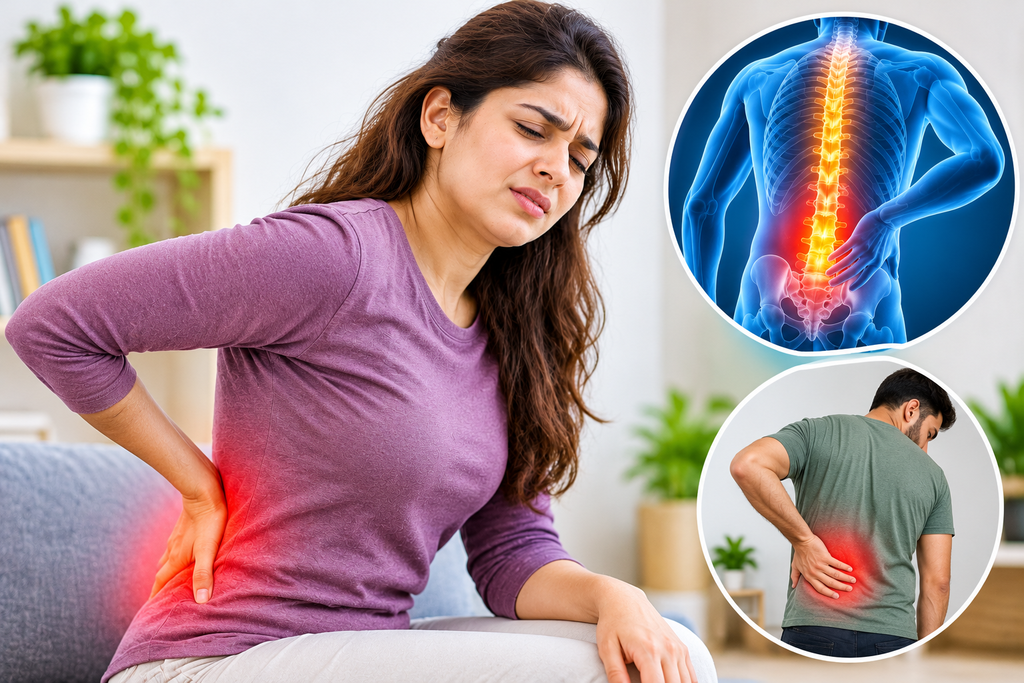
Back problems are common and can affect people of different ages. Back pain may feel like a dull ache, sharp pain, burning, or muscle tightness. It can develop after lifting something heavy, making an awkward movement, or because of an underlying spinal condition. Some back problems improve with home care, while others need medical attention. Understanding the causes, symptoms, and treatment options can help you decide what to do next. What Are Back Problems? Back problems refer to pain, stiffness, or other symptoms affecting the back. Pain can occur anywhere from the base of the neck to the top of the buttocks. It commonly affects the lower back, but the upper and middle back can also be affected. The pain may stay in one area or spread to the buttocks, hips, or legs. Some people also experience tingling, numbness, muscle spasms, or weakness. Common Types of Back Problems Back pain can be described by how long it lasts and where it occurs. By duration: By location: Common Causes of Back Problems Back pain can develop for several reasons. Some causes involve muscles and ligaments, while others affect the spine or nearby organs. 1. Muscle Strains and Ligament Sprains Lifting heavy objects, bending, twisting, or making sudden movements can strain back muscles or injure ligaments. Repeated movements may also contribute to these injuries. The pain may feel like an ache, tightness, or muscle spasm. 2. Disc Problems The discs between the bones of the spine help support movement. A bulging or herniated disc can sometimes press on nearby nerves and cause pain. When nerve pressure affects the lower back, pain may travel down the leg. This type of radiating pain is commonly associated with sciatica. 3. Arthritis and Spinal Stenosis Osteoarthritis can affect the joints of the spine. Spinal stenosis occurs when spaces within the spine become narrower, which may put pressure on nerves. These conditions can cause back pain and, in some cases, leg symptoms. 4. Osteoporosis and Spinal Fractures Osteoporosis weakens bones and can increase the risk of spinal fractures. These fractures may cause back pain and require medical assessment. 5. Other Medical Conditions Not all back pain starts in the spine. Kidney stones, kidney infections, urinary tract infections, and certain abdominal or pelvic conditions can cause pain that is felt in the back. In women, conditions such as endometriosis and menstrual cramps may also be associated with back pain. Back Pain in Women Back pain in women can have many of the same causes found in other adults, including muscle strain, disc problems, and spinal conditions. Pregnancy can also cause back discomfort. Other possible causes include menstrual cramps, endometriosis, and certain kidney or pelvic conditions. Persistent, severe, or unusual pain should be discussed with a healthcare professional to identify its cause. Symptoms of Back Problems Symptoms vary depending on the cause. Common signs include: Pain may become worse when bending, twisting, lifting, standing, or walking. How Are Back Problems Diagnosed? A healthcare professional usually begins by asking about your symptoms, medical history, and daily activities. A physical examination may include checking your posture, movement, walking, and leg strength. Not everyone needs imaging or other tests. Depending on the symptoms and examination, a doctor may recommend: Back Problems Treatment Treatment depends on the cause, severity, and duration of the pain. Physical Therapy and Exercise Physical therapy can help improve flexibility, strengthen the back and abdominal muscles, and support better movement. A therapist may also teach ways to adjust daily activities that increase pain. Gentle movement, such as walking, may help. Avoid activities that make the pain worse. Medicines Doctors may recommend pain-relieving medicines, including nonsteroidal anti-inflammatory drugs (NSAIDs) such as ibuprofen or naproxen. Other options may include muscle relaxants, topical pain relievers, or prescription medicines. Medicines can have side effects, so follow medical advice and use them as directed. Other Treatments Depending on the condition, treatment may include massage, acupuncture, chiropractic care, yoga, or other therapies. These options do not work equally well for everyone. Surgery is generally considered only for selected conditions, such as certain disc problems or spinal stenosis, especially when symptoms or weakness are significant. Home Remedies for Back Pain Some simple measures may help manage mild back pain: Prolonged bed rest is generally not recommended for common back pain. Stay as active as your symptoms allow. When Should You See a Doctor? Contact a healthcare professional if your back pain is severe, lasts longer than expected, does not improve, or affects your normal activities. Medical assessment is also important if you experience unexplained weight loss, pain after a fall or injury, urinary symptoms, or numbness and weakness. Seek emergency medical care if back pain occurs with: These symptoms may indicate a serious condition that needs urgent assessment. Frequently Asked Questions What are the most common back problems? Common problems include muscle strains, ligament sprains, herniated discs, arthritis, spinal stenosis, and spinal fractures. How can I relieve back pain at home? Heat, ice, gentle movement, and avoiding painful activities may help. If the pain is severe or persistent, seek medical advice. Does walking help back pain? Gentle walking may help some people stay active while recovering. Stop or adjust the activity if it increases your pain. Is back pain common during pregnancy? Yes. Back pain can occur during pregnancy and may range from mild to severe. Discuss persistent or concerning pain with your healthcare provider. Can back pain go away on its own? Many cases of back pain improve over time with home care. However, pain that persists, worsens, or comes with warning signs needs medical attention. Conclusion Back problems can result from muscle strain, disc conditions, arthritis, spinal changes, or medical problems affecting nearby organs. Treatment depends on the cause and may include physical therapy, medicines, gentle movement, and other medical care. Pay attention to warning signs and consult a healthcare professional when pain is severe, persistent, or accompanied by unusual symptoms.