Tick bites are often painless, so you may not notice one straight away. Some ticks can spread infections to humans and animals. Knowing how to identify a tick bite, remove a tick safely, and recognise warning signs can help protect your health.
If you find an attached tick, remove it as soon as possible with fine-tipped tweezers. Clean the bite area and watch for symptoms over the following days.
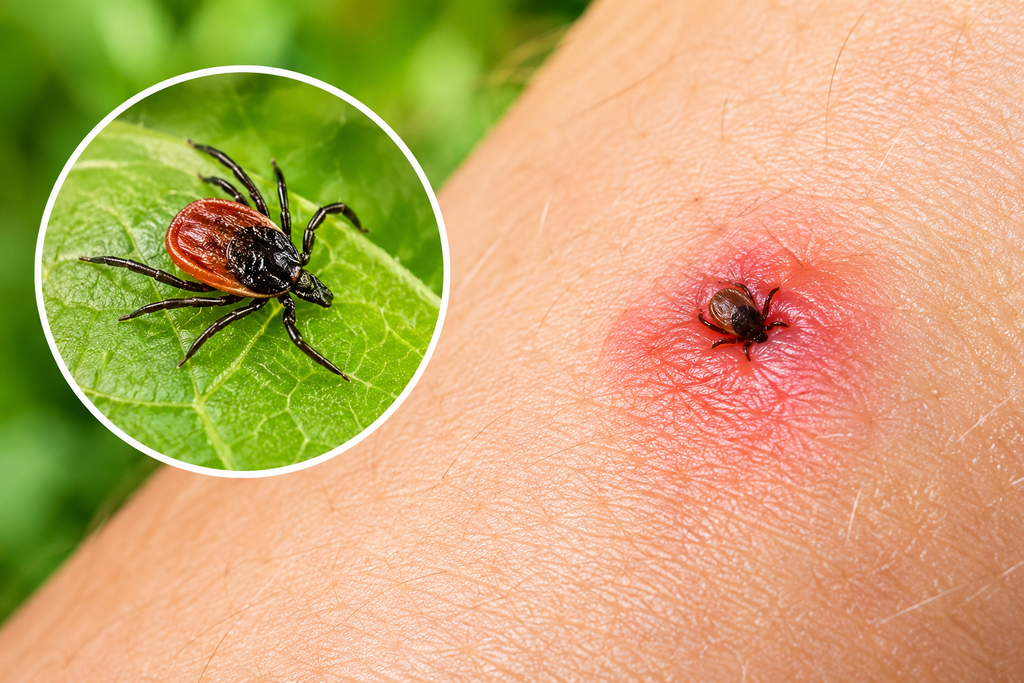
What Are Tick Bites?
Ticks are small parasites that feed on the blood of humans and animals. They belong to the arachnid family, which also includes spiders and mites.
Ticks do not fly or jump. They usually wait on grass, leaves, and low plants before attaching themselves to a person or animal that passes by.
They can attach to different parts of the body, including:
- Scalp and hairline
- Behind the ears
- Neck
- Underarms
- Waist
- Behind the knees
- Between the legs
Some ticks are very small and difficult to see. After feeding, they may become larger and easier to notice.
What Does a Tick Bite Look Like?
A tick bite may look like a small red or dark spot on the skin. You may notice a small bump, redness, swelling, itching, or a scab after the tick has been removed.
Some tick bites cause little or no discomfort. This is why checking your skin after spending time outdoors is important.
A tick bite can sometimes be difficult to identify because its appearance may resemble other insect bites. You cannot confirm an infection just by looking at the bite.
Tick Bite Symptoms
Symptoms can vary depending on the tick and whether it has transmitted an infection.
Common Skin Symptoms
After a tick bite, you may notice:
- Redness around the bite
- Mild swelling
- Itching or irritation
- A small bump
- A scab after removal
These reactions do not always mean that an infection has developed.
Possible Signs of Infection
Some tick-borne infections can cause symptoms such as:
- Fever or chills
- Headache
- Tiredness
- Muscle aches
- Joint pain
- A new or expanding skin rash
Symptoms can appear after the bite rather than immediately. Some people may develop a rash, while others may not.
If you develop a fever, unusual tiredness, muscle pain, or a spreading rash after a tick bite, contact a healthcare professional.
Are Tick Bites Dangerous?
Not every tick bite causes illness. However, some ticks carry germs that can spread infections through their bites.
The risk depends on factors such as the tick species, the location, and the infection it may carry. Finding a tick on your skin does not automatically mean you have an infection.
Removing an attached tick promptly is important. Different tick-borne infections can have different transmission times, so do not wait for symptoms before removing it.
How to Remove a Tick Safely
Correct removal helps reduce the chance of leaving parts of the tick in the skin.
Follow these steps:
- Use clean, fine-tipped tweezers.
- Hold the tick as close to the skin as possible.
- Pull upward slowly with steady pressure.
- Do not twist, jerk, or squeeze the tick.
- After removal, clean the bite area with soap and water or rubbing alcohol.
If small mouthparts remain in the skin and cannot be removed easily with tweezers, do not dig into the skin. Allow the area to heal and seek medical advice if it becomes irritated or infected.
What Should You Avoid During Tick Removal?
Do not use these methods:
- Burning the tick with a match or other heat source
- Covering it with petroleum jelly
- Applying nail polish
- Squeezing or crushing its body
- Twisting or jerking it while pulling
These methods can make removal more difficult. Fine-tipped tweezers are the recommended option.
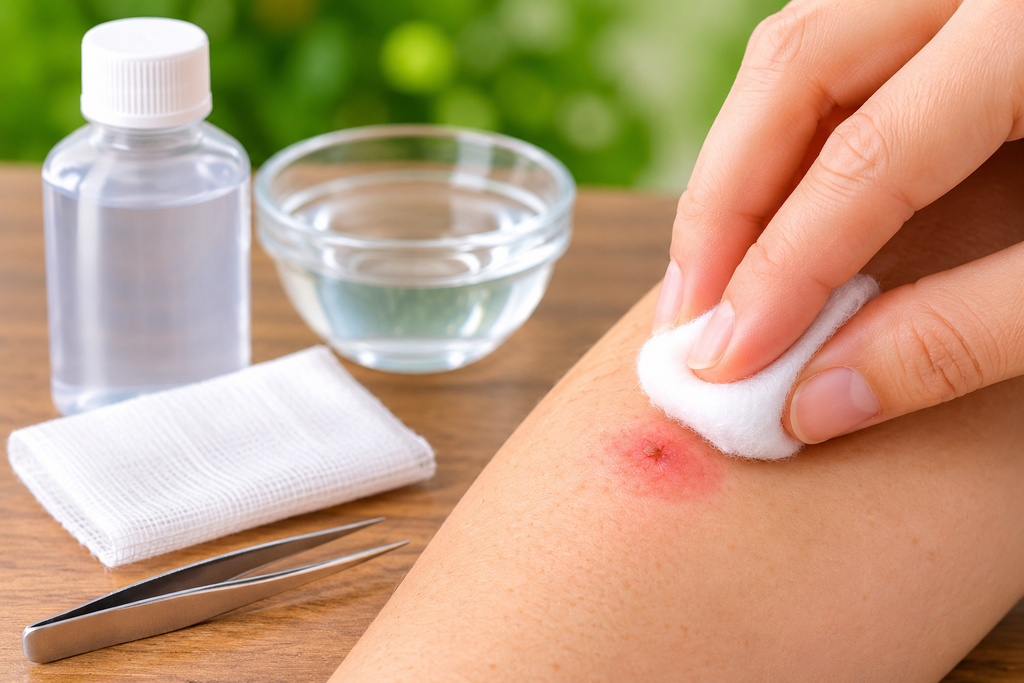
How to Treat a Tick Bite at Home
After removing the tick, clean the bite area with soap and water or rubbing alcohol.
You can help protect the skin by:
- Keeping the area clean
- Avoiding scratching
- Watching for increasing redness or swelling
- Checking for signs of infection
A small bump or mild irritation may occur after removal. However, worsening pain, warmth, swelling, or pus may indicate a skin infection and should be assessed by a healthcare professional.
Do You Need Antibiotics After a Tick Bite?
Antibiotics are not needed after every tick bite. A healthcare professional may consider preventive antibiotics in certain situations involving possible Lyme disease.
The decision depends on specific medical criteria, including the type of tick, exposure, and timing. Do not take antibiotics without medical advice.
When Should You Worry About a Tick Bite?
Pay attention to changes in your health after a tick bite. Contact a healthcare professional if you develop:
- Fever or chills
- Headache
- Unusual tiredness
- Muscle or joint pain
- A new or expanding rash
- Increasing redness, warmth, pain, or swelling around the bite
Some Lyme disease infections can cause an expanding rash. It may have a bull’s-eye appearance, but not every rash looks this way. A rash does not always appear after an infected tick bite.
Seek emergency medical care if you experience signs of a severe allergic reaction, such as difficulty breathing, swelling of the face, lips, or throat, or severe dizziness or fainting.
How Long Should You Watch for Symptoms?
The CDC advises watching for symptoms for 30 days after a tick bite. During this period, pay attention to fever, headache, tiredness, muscle aches, joint pain, or a new rash.
The time needed for a tick to transmit an infection varies depending on the tick species and the germ involved. This is another reason to remove ticks promptly rather than waiting.
How to Prevent Tick Bites
You can reduce your chances of tick bites by taking precautions outdoors.
- Wear protective clothing: Cover your arms and legs when walking through grassy or wooded areas.
- Choose light-coloured clothes: Ticks may be easier to spot on lighter fabrics.
- Use insect repellent: Products containing DEET or picaridin can help protect against ticks. Follow the product label.
- Avoid dense vegetation: Stay away from tall grass and thick bushes when possible.
- Check your body: Look carefully at your scalp, behind your ears, underarms, waist, and behind your knees.
- Check pets: Ticks can attach to animals and enter your home.
- Shower after outdoor activities: Showering may help you find ticks that have not attached, but it does not replace a careful body check.
- Check clothing: Inspect clothes after spending time in areas where ticks may be present.
Frequently Asked Questions About Tick Bites
1. Do tick bites itch?
Some tick bites cause itching, redness, or swelling. Others cause little or no discomfort.
2. How do you know if a bite is from a tick?
A tick bite may appear as a small red spot or bump. You may also find an attached tick. However, the appearance alone cannot confirm that a bite came from a tick.
3. Can a tick bite make you sick?
Yes. Some ticks carry germs that can spread infections. Watch for symptoms such as fever, headache, tiredness, muscle aches, joint pain, or a spreading rash.
4. What should you do if a tick bites you?
Remove the tick promptly with fine-tipped tweezers. Pull upward with steady pressure, clean the area, and monitor your health for symptoms.
5. What happens if part of a tick stays in the skin?
Small mouthparts may remain after removal. If they cannot be removed easily, avoid digging into the skin. Keep the area clean and seek medical advice if irritation or signs of infection develop.
6. Do you need antibiotics after a tick bite?
Not always. Preventive antibiotics may be considered in specific situations, particularly when Lyme disease exposure meets certain medical criteria. Ask a healthcare professional for advice.
7. How long should you monitor a tick bite?
The CDC recommends watching for symptoms for 30 days after a tick bite. Seek medical advice if you develop concerning symptoms during this period.
Conclusion
Tick bites may cause mild skin irritation, but some ticks can spread infections. Remove an attached tick promptly with fine-tipped tweezers, clean the area, and watch for symptoms. If you develop fever, a spreading rash, muscle aches, or other concerning changes, contact a healthcare professional.
Taking simple precautions outdoors and checking your body after exposure can help reduce the risk of tick bites.