High blood pressure, also called hypertension, is a common health condition that can affect your health over time. One of the most important things to know about symptoms of high blood pressure is that you cannot reliably determine your blood pressure by how you feel alone.
A blood-pressure reading provides measurable information about your systolic and diastolic pressure. Regular monitoring can help you understand your readings and discuss them with a healthcare professional when needed.
The American Heart Association (AHA), Centers for Disease Control and Prevention (CDC), and National Heart, Lung, and Blood Institute (NHLBI) provide information about high blood pressure, including symptoms, diagnosis, monitoring, treatment, prevention, and management.
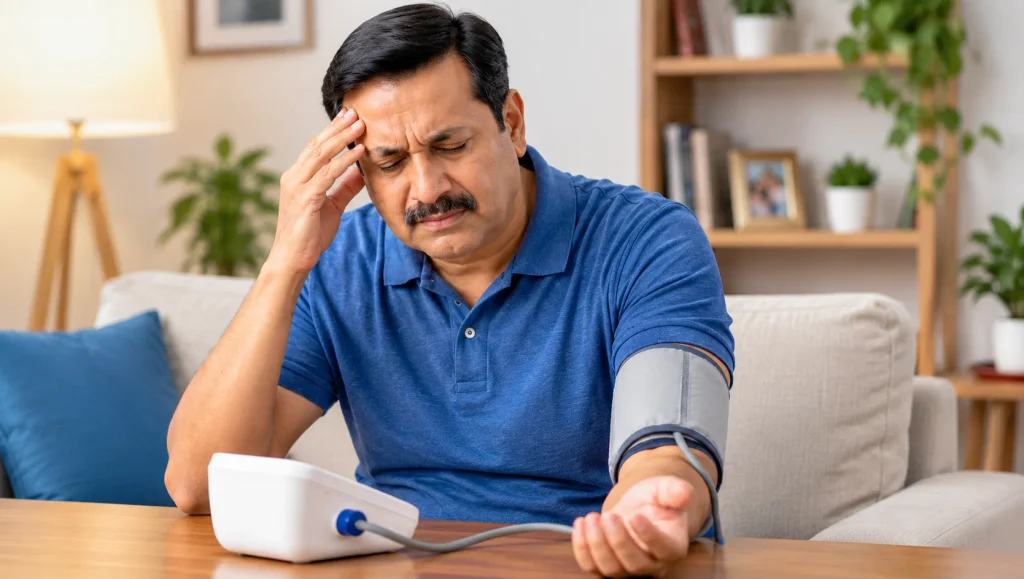
What Is High Blood Pressure?
Blood pressure is the pressure of blood against the walls of your arteries. A blood-pressure reading has two numbers:
- Systolic pressure: the upper number
- Diastolic pressure: the lower number
The American Heart Association provides blood-pressure categories that help people understand what their readings mean.
Because blood pressure is measured with a blood-pressure monitor, symptoms alone cannot tell you what your current reading is. This is why appropriate blood-pressure measurement is an important part of understanding your heart and blood vessel health.
What Are the Symptoms of High Blood Pressure?
When people search for Symptoms of High Blood Pressure, they often expect a specific list of signs that can tell them whether their blood pressure is elevated.
However, Symptoms of High Blood Pressure are not a substitute for measuring your blood pressure. The AHA and CDC provide information about symptoms associated with high blood pressure, while also emphasising the importance of knowing and monitoring your blood pressure.
This means you should not assume that you have normal blood pressure simply because you feel well. Likewise, a symptom by itself does not tell you what your blood-pressure reading is.
If you are concerned about symptoms for high blood pressure, checking your blood pressure is a more direct way to obtain information about your actual reading.
Can You Have High Blood Pressure Without Noticeable Symptoms?
Yes, it is possible for high blood pressure to occur without noticeable symptoms. This is one reason relying only on physical sensations can be misleading.
If you are searching for signs of high blood pressure, remember that the absence of Symptoms of High Blood Pressure does not provide a blood-pressure measurement. Checking your blood pressure gives you information that your symptoms or general feelings cannot provide.
Regular monitoring can therefore be useful, particularly for people who have been advised by a healthcare professional to monitor their blood pressure.
How Do You Feel When You Have High Blood Pressure?
A common question is, “How do you feel when you have high blood pressure?”
There is no single feeling that can reliably tell you what your blood pressure is. Some people may look for symptoms or physical changes, but these should not replace an actual blood-pressure measurement.
If you are concerned about hypertension symptoms, consider your symptoms together with your blood-pressure readings rather than trying to diagnose yourself based only on how you feel.
A recorded blood-pressure reading can also give you useful information to discuss with a healthcare professional.
How Is High Blood Pressure Diagnosed?
High blood pressure is assessed using blood-pressure measurements. The AHA explains how blood-pressure readings work and provides categories for understanding those readings.
The NHLBI also provides information about the diagnosis and management of high blood pressure.
If you think you may have hypertension, do not try to confirm it only by looking for high blood pressure signs. An appropriate blood-pressure measurement provides objective information that can help determine what should happen next.
How Can You Monitor Your Blood Pressure at Home?
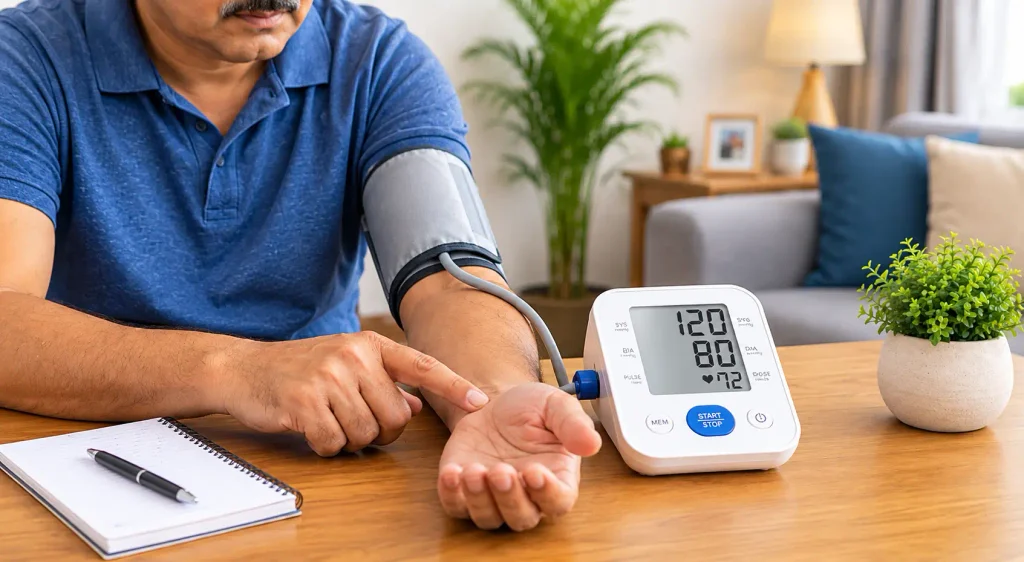
Home blood-pressure monitoring can help you keep track of your readings. The American Heart Association provides guidance on monitoring blood pressure at home and tracking measurements.
If you monitor your blood pressure at home, follow the instructions for your monitor and any guidance provided by your healthcare professional.
Keeping an organised record of your readings can make it easier to discuss changes or concerns with a healthcare professional.
Home monitoring does not mean you should diagnose or manage a medical condition without appropriate professional guidance. Instead, it can provide useful information about your blood-pressure readings.
What Causes Spikes in Blood Pressure?
Blood pressure can change over time, but a symptom alone cannot tell you why a particular reading has changed.
If you notice a blood-pressure reading that concerns you, record the measurement and discuss it with a healthcare professional when appropriate. Avoid assuming that one symptom or situation automatically explains a change in your blood pressure.
The AHA and NHLBI provide information about blood-pressure management and monitoring, which can help you understand how high blood pressure is assessed and managed.
What Foods Are Good for Lowering Blood Pressure?
Diet is one part of a broader approach to blood-pressure management. The American Heart Association and NHLBI include diet and lifestyle approaches in their information about managing high blood pressure.
Rather than relying on one food as a solution, consider dietary choices as part of an overall approach to managing blood pressure.
Your dietary needs may depend on your individual health situation. If you have questions about what you should eat to support healthy blood pressure, discuss your diet with a healthcare professional.
How Can High Blood Pressure Be Managed?
Managing high blood pressure can involve lifestyle measures, physical activity, diet, monitoring, and medical treatment when appropriate.
The AHA and NHLBI provide information about these different parts of blood-pressure management. The right approach depends on a person’s individual health circumstances.
Lifestyle measures should therefore be viewed as part of overall blood-pressure management rather than a replacement for appropriate medical care.
If you have been diagnosed with high blood pressure or have concerns about your readings, follow the management plan recommended by your healthcare professional.
What Should You Do If You Think You Have High Blood Pressure?
If you think you may have high blood pressure, checking your blood pressure is an important first step.
Home monitoring can be useful when appropriate. Follow the measurement instructions for your device and any advice provided by your healthcare professional.
Keep a record of your readings if you have been advised to monitor your blood pressure. If your readings concern you, share them with a healthcare professional so they can help you understand what the measurements mean and whether further assessment or management is needed.
Do not rely exclusively on high blood pressure signs or symptoms to determine whether your blood pressure is elevated. Measurement provides information that symptoms alone cannot provide.
Frequently Asked Questions About High Blood Pressure Symptoms
What are 10 warning signs of high blood pressure?
There is no reliable list of 10 symptoms that can be used by itself to determine whether your blood pressure is high. The AHA and CDC provide information about symptoms associated with high blood pressure, but checking your blood pressure provides measurable information about your actual reading.
How do you feel when you have high blood pressure?
There is no single feeling that can reliably tell you that your blood pressure is high. If you are concerned, consider your symptoms alongside an appropriate blood-pressure measurement rather than relying on physical sensations alone.
Can high blood pressure cause symptoms?
The AHA and CDC provide information aboutSymptoms of High Blood Pressure associated with high blood pressure. However, symptoms should not be used alone to determine whether your blood pressure is elevated. A blood-pressure measurement provides objective information about your reading.
What causes spikes in blood pressure?
Blood-pressure readings can change, but a symptom alone cannot establish the cause of an individual change. If you notice a reading that concerns you, keep a record and discuss it with a healthcare professional when appropriate.
What foods are good for lowering blood pressure?
The AHA and NHLBI include diet as part of lifestyle and blood-pressure management. Instead of relying on one particular food, consider dietary choices as part of an overall approach to managing blood pressure.
What are the early signs of high blood pressure?
Early signs of high blood pressure are not a reliable substitute for measuring blood pressure. If you are concerned about hypertension, checking your blood pressure can provide measurable information that symptoms alone cannot provide.
What are the signs of high blood pressure?
People often search for signs of hypertension because they want to know whether they can recognise high blood pressure from symptoms. However, symptoms alone cannot establish your blood-pressure level. Appropriate measurement is an important part of understanding your blood pressure.
Key Takeaways
- Symptoms of high blood pressure should not be the only way you assess your blood pressure.
- Blood-pressure readings provide measurable information about your systolic and diastolic pressure.
- High blood pressure can occur without noticeable symptoms.
- Home monitoring can help you track your blood-pressure readings when appropriate.
- Diet, physical activity, lifestyle measures, and medical treatment can all be part of blood-pressure management.
- If you are concerned about your readings, discuss them with a healthcare professional.
Final Thoughts
Understanding the symptoms of high blood pressure can help you recognise why blood-pressure awareness matters, but symptoms alone cannot tell you what your blood pressure is.
The most useful approach is to understand your blood-pressure readings, monitor them properly when advised, and discuss concerning measurements with a healthcare professional. The AHA, CDC, and NHLBI provide trusted information to help you understand how high blood pressure is diagnosed, monitored, treated, and managed, and how it can be prevented.