Baby Hives: 8 Common Causes & How to Soothe Them Safely
Few things send a parent’s heart racing like spotting raised, blotchy welts spreading across their baby’s skin — especially when they seem to appear from nowhere, fade in one spot, and pop up somewhere else minutes later. It looks dramatic, the baby may be fussing and scratching, and every instinct says something is badly wrong.
Here is the reassurance most parents need first: hives in babies and toddlers are common, and in the vast majority of cases they are harmless and short-lived. The most frequent cause is not a scary allergy but an ordinary viral infection — the same kind of bug that causes coughs and colds. That said, because babies cannot tell you how they feel, it is worth knowing how to soothe them safely and, importantly, the specific signs that do mean a trip to the doctor or emergency care.
This guide is written for exactly that moment: what baby hives are, why they happen, what you can safely do at home, and when to seek help.
Quick Overview
| Question | Short answer |
|---|---|
| What are they? | Raised, itchy welts from histamine release in the skin |
| How common? | Very common in babies and toddlers |
| Most common cause | Viral infections — more often than allergies |
| How long do they last? | Individual welts under 24 hours; episodes days to a week or so |
| Are they dangerous? | Usually not, but watch for breathing or swelling signs |
| Safe home care | Cool compress, loose clothing, keeping baby comfortable |
| Medication | Only give antihistamines if a doctor or pharmacist advises |
Seek emergency help immediately if your baby has any difficulty breathing, swelling of the lips, tongue, or face, becomes floppy or unusually drowsy, or is struggling in any way. When in doubt with a baby, always err on the side of getting help.
What Are Baby Hives?
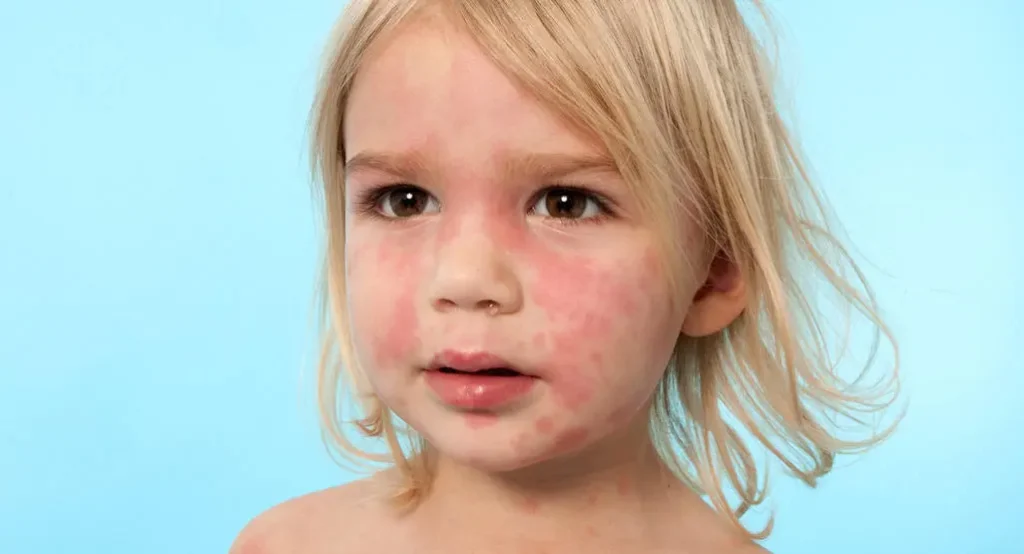
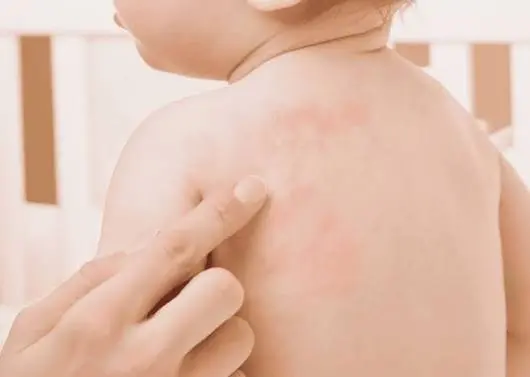
Baby hives are raised welts that appear when immune cells in the skin, called mast cells, release a chemical called histamine. The histamine makes tiny blood vessels leaky, fluid gathers under the skin, and a raised, itchy welt forms. On a baby they often look like raised pink or red blotches on lighter skin, and skin-toned or slightly darker raised patches on brown and Black skin, sometimes with a paler centre.
The most telltale feature is that they move. A welt on the tummy may fade within an hour while new ones appear on the legs. This shifting, blotchy pattern is characteristic of hives and is actually reassuring — it is how ordinary hives behave. A rash that stays completely fixed in one place for days is more likely something else. For the underlying biology, our main guide on hives on skin explains the process in more detail.
8 Common Causes of Baby Hives
1. Viral infections — the most common cause. This surprises most parents. Ordinary viruses — colds, tummy bugs, sore throats — very frequently trigger hives in babies and toddlers as their immune system responds. The hives often appear during or just after a mild illness and settle as the infection clears. If your baby was recently a bit unwell, this is the most likely explanation.
2. Food. Genuine food-triggered hives usually appear within two hours of eating and often involve the same food each time. Common triggers in young children include cow’s milk, eggs, peanuts, tree nuts, wheat, soy, and fish. This is especially relevant when introducing new foods.
3. Medications. Some medicines, including certain antibiotics, can cause hives in babies. Never stop a prescribed medication on your own — contact the prescriber for advice.
4. Insect bites and stings. Bites and stings can produce localised welts, and some babies react more strongly than others.
5. Contact with irritants. New soaps, lotions, detergents, or certain fabrics against a baby’s sensitive skin can trigger welts where the substance touched.
6. Temperature changes. Heat, cold, or a sudden temperature change can bring on hives in some babies, particularly on exposed skin.
7. Plants and animals. Contact with certain plants, or animal saliva and dander, can trigger reactions in sensitive little ones.
8. Sometimes no clear cause. As with adults, a trigger is not always found, particularly in longer-lasting cases. This does not mean anything is seriously wrong.
How to Soothe Baby Hives Safely at Home
For hives without any emergency signs, gentle comfort measures are the priority. The goal is to keep your baby comfortable while the hives settle on their own.
- Apply a cool compress. A soft cloth dampened with cool (not cold) water, held gently against the welts for a few minutes, can calm the itch.
- Dress your baby in loose, soft cotton. This reduces friction and overheating, both of which can worsen hives.
- Keep the room comfortably cool. Heat makes hives itchier, so avoid overheating and heavy bedding.
- A lukewarm bath — brief and without harsh soaps — can be soothing. Some parents add colloidal oatmeal for babies, but check with your pharmacist first for very young infants.
- Keep tiny fingernails trimmed to reduce scratching, and consider soft mittens for young babies if scratching is a problem.
- Comfort and distraction genuinely help — a fussing, itchy baby settles better when held and calmed.
A crucial point on medication: do not give your baby antihistamines or any over-the-counter allergy medicine unless a doctor or pharmacist has specifically advised it and told you the correct product and dose. Many adult and older-child remedies are not suitable for babies, and dosing must be exact. Always ask a professional first. Our general guide on how to get rid of hives is written mainly for adults — for babies, professional advice on any medicine is essential.
Understanding Viral Hives in Babies
Because viral infection is the leading cause, it is worth understanding this pattern in a bit more depth — it explains a lot of the baby hives parents worry about.
When a baby catches an ordinary virus, their immune system swings into action to fight it. That immune activity can, as a side effect, trigger the mast cells in the skin to release histamine, producing hives. This is why a baby who had a runny nose or was a little off a few days ago may suddenly break out in welts. The hives are not a reaction to anything they touched or ate — they are a knock-on effect of the body fighting the infection.
These viral hives typically appear as the blotchy, shifting welts described earlier, may come and go for several days, and settle as the infection resolves. They can look particularly dramatic and sometimes form ring or map-like shapes, which parents occasionally mistake for something more serious. As long as the baby is otherwise coping — feeding, alert when awake, breathing comfortably — this pattern is usually nothing to fear. Antibiotics do not help, because the cause is viral, not bacterial. Time, comfort, and watching for the warning signs are the right approach.
Baby Hives vs Other Baby Rashes
Babies get a lot of rashes, and telling hives apart from the others helps you respond correctly and worry less.
The signature of hives is raised welts that move and change — fading in one spot within 24 hours while appearing in another, and blanching pale when gently pressed. Many other common baby rashes behave differently. Eczema shows as dry, rough, persistent patches, often on the cheeks, and in the elbow and knee creases, that stay put rather than migrating. Heat rash appears as tiny pinpoint bumps in hot, sweaty areas and settles once the baby cools down. Baby acne consists of small spots on the face in the early weeks. Viral rashes other than hives may be flat and spotty rather than raised and welt-like.
If a rash does not blanch when pressed — particularly a rash of small red or purple spots that stay visible under gentle pressure — that is a different and more urgent situation that needs immediate medical assessment, as it can signal a serious infection. This is separate from hives, which do blanch, but it is important enough that every parent should know the difference. When unsure about any baby rash, especially in an unwell baby, seeking prompt advice is always reasonable.
What NOT to Do
- Don’t give adult or random children’s medicines without professional advice on the product and dose
- Don’t apply strong creams or home remedies to a baby’s skin without checking — many are unsuitable for infants
- Don’t use very hot or very cold water, which can worsen hives or distress the baby
- Don’t ignore breathing changes or facial swelling — these need urgent attention
- Don’t panic and assume the worst — most baby hives are harmless and pass
Helping an Itchy, Unsettled Baby
The itch is often what distresses babies most, and a scratching baby can break the skin, which risks a secondary infection. Beyond the cooling measures already covered, a few extra approaches help settle an uncomfortable little one.
Keep the environment calm and cool, since heat and overstimulation both make itching feel worse. Soft mittens or long sleeves can protect the skin from tiny nails during the itchiest phase, particularly at night. Feeding, cuddling, and gentle rocking are not just comforting emotionally — a settled, soothed baby is less focused on the itch and more likely to rest, and rest helps the body recover. For older babies and toddlers, distraction with a favourite toy or activity can genuinely take their attention away from scratching.
If your baby is struggling to sleep because of the itch, or seems miserable despite these measures, that is a good reason to call your doctor or pharmacist for advice. They can tell you whether a suitable medicine is appropriate for your baby’s age and weight, and rule out anything that needs closer attention. Never reach for the medicine cabinet on your own with a baby — the right professional advice takes only a phone call and keeps your little one safe.
When to See a Doctor
Contact your doctor (not necessarily as an emergency) if:
- The hives last more than a few days or keep coming back
- Your baby seems very uncomfortable, is not sleeping, or is very unsettled
- The hives appeared after starting a new medication
- You suspect a specific food triggered them, so allergy can be discussed
- You are simply unsure and would like reassurance — always reasonable with a baby
Seek emergency help immediately if your baby has:
- Any difficulty breathing, wheezing, or noisy breathing
- Swelling of the lips, tongue, face, or around the eyes
- Becoming floppy, unusually drowsy, or hard to wake
- Vomiting, or signs of a whole-body reaction
- Pale or blue-tinged skin
- Any sign that your baby is seriously unwell
These can signal a severe allergic reaction, which in a baby is an emergency. Trust your instincts — if something feels seriously wrong, get help straight away. The NHS guidance on hives outlines when to seek urgent care.
Preventing Baby Hives
- Introduce new foods one at a time, a few days apart, so any reaction is easy to trace
- Use gentle, fragrance-free baby products and detergents
- Patch-test new products on a small area first
- Avoid known triggers once you have identified them
- Keep your baby comfortably cool rather than overheated
- Keep a simple note of when hives appear and what preceded them, which helps your doctor spot patterns
Final Thoughts
Baby hives look far scarier than they usually are. The blotchy, shifting welts and your baby’s discomfort trigger every protective instinct, but the reality is that most cases are harmless, most are caused by ordinary viral infections rather than dangerous allergies, and most settle on their own within days. Gentle comfort measures — cooling, loose clothing, calm handling — are usually all that is needed, and no medicine should go near your baby without a professional’s say-so.
What turns this from frightening to manageable is knowing the small set of warning signs that genuinely matter: any trouble breathing, swelling of the lips, tongue, or face, or a baby who seems seriously unwell. For everything short of that, you can soothe your little one and let the hives run their brief course. And with a baby, there is never any shame in calling your doctor simply for reassurance — that instinct to check is a good one.
Medical disclaimer: This article is for general information and is not a substitute for professional medical advice, diagnosis, or treatment. Never give a baby any medication without advice from a doctor or pharmacist, and seek emergency care for any breathing difficulty or facial swelling.
Frequently Asked Questions
What causes hives in babies? The most common cause is an ordinary viral infection, such as a cold or tummy bug, rather than an allergy. Other causes include foods, medications, insect bites, contact with irritants like new soaps, and temperature changes. Sometimes no clear cause is found.
Are baby hives dangerous? Usually not — most baby hives are harmless and settle on their own. The important exception is if they come with any difficulty breathing, swelling of the lips, tongue, or face, or a baby who seems seriously unwell, which needs emergency care.
How long do baby hives last? Individual welts fade within 24 hours, often within a few hours, while new ones may appear elsewhere. A whole episode usually settles within a few days to about a week, especially once any underlying infection clears.
Can I give my baby antihistamines for hives? Only if a doctor or pharmacist has specifically advised it and told you the correct product and dose. Many allergy medicines are not suitable for babies and dosing must be exact, so always ask a professional before giving anything.
How do I soothe my baby’s hives at home? Use a cool (not cold) compress, dress your baby in loose soft cotton, keep the room comfortably cool, offer a brief lukewarm bath, keep nails trimmed to limit scratching, and comfort your baby. Avoid strong creams or medicines unless a professional advises them.
Should I worry if my baby gets hives after eating a new food? Note which food it was and mention it to your doctor, as it may indicate a food allergy. If the hives come with any swelling of the lips or tongue, vomiting, or breathing difficulty, treat it as an emergency and seek help immediately.
Are baby hives contagious? No. Hives are the baby’s own immune reaction and cannot spread to others. If a virus triggered them, that virus may be contagious, but the hives themselves are not.