
7 Best Herbal Teas for Stress and Anxiety, Backed by Research (2026)
Quick answer: The best herbal teas for stress and anxiety are chamomile, lavender, lemon balm, green tea, passionflower, tulsi (holy basil), and peppermint. Chamomile has the strongest scientific support — clinical trials found it effective for moderate to severe generalized anxiety — while green tea’s L-theanine promotes calm focus without drowsiness. Most calming teas take 30 to 60 minutes to produce a noticeable effect, and consistent daily use over two to four weeks delivers the real benefits. Below is what research actually says about each tea, how to brew them properly, how they compare with herbal stress relief supplements, and the safety warnings most tea articles skip.
Stress has a way of convincing you that nothing simple could possibly help. Yet one of the oldest calming rituals on earth — brewing a cup of herbal tea — keeps holding up under modern scientific scrutiny. Part of the effect is the plant chemistry, which we will get into below. Part of it is the ritual itself: the pause, the warmth, the few minutes where your hands are busy and your phone is not. Both halves matter, and neither requires a prescription.
How Herbal Teas for Stress and Anxiety Actually Work
Calming teas are not placebo candles in a cup. The best-studied ones contain compounds that interact with the same brain systems targeted by anti-anxiety medications, only far more gently.
The clearest example is apigenin, the key flavonoid in chamomile, which binds to GABA receptors — the brain’s primary “calm down” switchboard — producing a mild relaxing effect without the sedation or dependency risks of pharmaceutical options. Green tea works through a different door: its amino acid L-theanine increases alpha brain waves, the pattern associated with relaxed alertness, which is why green tea calms you without putting you to sleep. Lemon balm and passionflower also appear to support GABA activity, while the aroma compounds in lavender and peppermint work partly through the nervous system’s response to scent.
None of this makes tea a replacement for professional care when anxiety is severe — more on that at the end. But it does mean the calm you feel after a good cup has real chemistry behind it.
The 7 Best Herbal Teas for Stress and Anxiety
1. Chamomile Tea — The Most Proven Calmer
If the research crowned a single champion among herbal teas for stress and anxiety, it would be chamomile. This is not folk wisdom anymore: a long-term randomized clinical trial at a major US academic medical center gave patients with moderate-to-severe generalized anxiety disorder pharmaceutical-grade chamomile extract for 12 weeks, and over half met the criteria for clinical response. As the ASCO Post’s clinical summary notes, trial data suggest long-term chamomile use is safe and may be effective for alleviating moderate to severe generalized anxiety symptoms, and chamomile may even improve cortisol patterns — a biological marker of chronic stress.
How to brew it: Use 1-2 teaspoons of dried chamomile flowers (or one quality tea bag) per cup, pour water just off the boil, cover the cup, and steep for 5-10 minutes. Covering matters — it traps the volatile oils that would otherwise escape with the steam. One to two cups daily, especially in the evening, matches what most tea-based studies used.
2. Green Tea — Calm Focus Without Drowsiness
Green tea is the daytime option. Its magic ingredient, L-theanine, promotes relaxation while keeping the mind alert, smoothing out the jitters that green tea’s modest caffeine would otherwise cause. The result is the “calm focus” state that makes green tea the traditional companion of monks and students alike. If your stress shows up as a racing mind during work hours — when a sedating tea would be the wrong tool — green tea is the pick.
How to brew it: Water at 70-80°C (not boiling, which turns green tea bitter), steep 2-3 minutes. Two to three cups spread across the morning and early afternoon; skip it after 4 PM if you are caffeine-sensitive.
3. Lemon Balm Tea — The Mood Lifter
Lemon balm, a lemony-scented member of the mint family, has been used for nervous tension since the Middle Ages, and modern studies associate it with reduced anxiety and improved mood, likely through its support of GABA activity. Many people find it gentler and brighter-tasting than chamomile — less sleepy, more soothing — which makes it a good afternoon bridge between daytime green tea and evening chamomile.
How to brew it: 1-2 teaspoons of dried leaves per cup, steep covered for 5-7 minutes in hot water. Fresh leaves work too if you grow it — and it grows almost anywhere, aggressively.
4. Passionflower Tea — For the Racing Mind at Night
Passionflower is the specialist for the specific misery of lying in bed while your brain replays every conversation from the past decade. Research links it to improved sleep quality and reduced anxiety, and traditional herbal medicine has long paired it with chamomile for exactly this purpose. Its taste is mild and slightly earthy, easy to blend.
How to brew it: 1 teaspoon of dried passionflower per cup, steep 8-10 minutes, drink 30-60 minutes before bed. It combines beautifully with chamomile in a single evening cup.
5. Lavender Tea — Calm Through Aroma and Cup
Lavender’s calming reputation comes mostly from aromatherapy research, but drinking it delivers a double effect: the aroma compounds you inhale while sipping plus the compounds in the tea itself. Studies on oral lavender preparations have reported meaningful reductions in anxiety symptoms. The floral taste is strong, so most people prefer it blended — lavender with chamomile is a classic stress-relief combination.
How to brew it: Just 1/2 to 1 teaspoon of dried culinary lavender buds per cup (more turns soapy), steep 5 minutes. Make sure you buy culinary-grade lavender, not decorative or craft-grade, which may be treated.
6. Tulsi (Holy Basil) Tea — The Adaptogen in a Cup
Tulsi holds a special place in South Asian households, and modern research gives that tradition support: holy basil is classified as an adaptogen, a plant that helps the body regulate its response to stress rather than simply sedating it. Studies associate tulsi with reduced stress symptoms, better sleep, and improved sense of wellbeing with regular use. Unlike the sedating teas on this list, tulsi is an any-time-of-day tea — peppery, clove-like, and warming.
How to brew it: 1-2 teaspoons of dried tulsi leaves per cup, steep covered 5-8 minutes. Daily consistency matters more with adaptogens than with sedative teas: tulsi’s benefits build over weeks, not minutes.
7. Peppermint Tea — Stress Relief for the Body
Peppermint earns its spot for a reason the other teas miss: stress lives in the body, not just the mind. Tension headaches, tight shoulders, and the knotted, churning stomach that anxiety produces all respond to peppermint’s muscle-relaxing menthol. If your stress expresses itself physically — especially through a nervous stomach — peppermint addresses the symptom the calming teas leave behind. It is also naturally caffeine-free and safe for daytime.
How to brew it: 1-2 teaspoons dried peppermint (or a quality bag) per cup, steep covered 5-7 minutes. Excellent after meals, when stress-related stomach discomfort peaks.
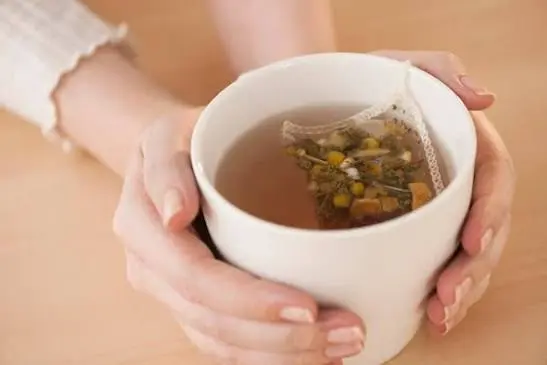
Herbal Teas vs Herbal Stress Relief Supplements: Which Should You Choose?
This question matters, because the herbal stress relief supplement aisle sells concentrated capsules of many of the same plants — chamomile extract, lemon balm extract, ashwagandha, and more. Here is the honest comparison.
Supplements win on dose and consistency. The chamomile clinical trials used pharmaceutical-grade extract at 1,500 mg daily — a concentration difficult to match with tea alone. If your goal is addressing significant, persistent anxiety with herbal support, standardized extracts deliver a measured, repeatable dose that tea cannot guarantee.
Teas win on safety margin, ritual, and sustainability. A cup of tea is nearly impossible to overdose on, costs pennies, involves no capsule-quality gamble, and carries the built-in benefit of the calming ritual itself — the five-minute pause that a swallowed capsule skips entirely. Tea is also easier to adjust: a lighter brew on easy days, a stronger one on hard days.
The practical answer for most people: start with teas daily for three to four weeks. If your stress is mild to moderate, tea plus the ritual is often enough. If symptoms remain significant, a standardized herbal stress relief supplement is the logical next step — chosen with your doctor’s input, especially if you take any medication, since concentrated extracts interact with drugs far more strongly than teas do.
How to Build a Daily Tea Routine for Stress
Single cups help; routines transform. Here is a simple structure that uses each tea at its best hour:
- Morning: Green tea for calm, focused energy into the workday.
- Midday: Tulsi to keep the stress response regulated through the busiest hours.
- Afternoon: Lemon balm or peppermint as the day’s tension peaks — peppermint if your stomach carries your stress.
- Evening (1-2 hours before bed): Chamomile, alone or blended with passionflower or lavender, steeped covered for the full time.
Give the routine three to four weeks before judging it. Study effects were measured over 8 to 12 weeks of consistent use, and the ritual’s psychological benefit also deepens with repetition — your brain begins associating the kettle with permission to slow down.
Brewing Mistakes That Weaken Calming Teas
Steeping uncovered. The active aromatic compounds in chamomile, lavender, and mint evaporate with steam. Cover your cup while steeping — this one habit noticeably strengthens the effect.
Steeping too short. Two quick minutes extracts flavor, not full benefit. Calming herbs generally need 5-10 minutes.
Water too hot for green tea. Boiling water scorches green tea into bitterness and destroys some of its delicate compounds. Let the kettle rest two minutes first.
Old, stale herbs. Dried herbs lose potency within about a year, faster in sunlight and heat. Buy small amounts, store them airtight and dark, and refresh your stock when the aroma fades — if it doesn’t smell strong, it won’t brew strong.
Expecting one cup to fix a hard year. These teas measurably help; they are not anesthesia. Their real power appears with daily use, alongside sleep, movement, and the other unglamorous foundations.
Safety: What Most Tea Articles Don’t Tell You
Herbal does not mean harmless, and honesty here matters more than hype:
- Chamomile is related to ragweed — people with ragweed, daisy, or chrysanthemum allergies can react to it. It may also enhance the effect of blood thinners and sedative medications.
- Pregnancy and breastfeeding change the safety picture for several herbs on this list, including passionflower and high amounts of chamomile. Check with your doctor first.
- Sedative stacking: combining strongly calming teas with sleep medications, anti-anxiety drugs, or alcohol can compound drowsiness.
- Surgery: stop concentrated herbal use (especially chamomile) at least two weeks before scheduled surgery due to bleeding-risk interactions.
- Quality matters: buy herbs from reputable sellers. Loose herbs of unknown origin can carry pesticides or adulterants — the cheapest bag is rarely the best one.
And one boundary we will always state clearly: if anxiety is persistent, worsening, or interfering with your daily life, sleep, or relationships, please speak with a doctor or mental health professional. Herbal teas are a genuine support — the research above proves that — but they are a companion to proper care, not a substitute for it.
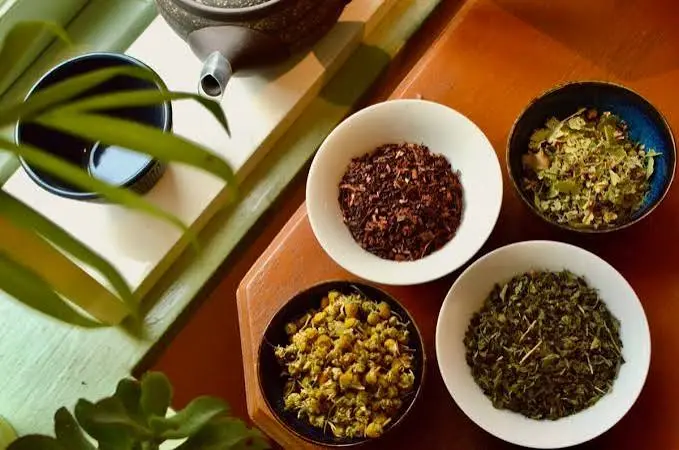
3 Simple Stress-Relief Tea Blends You Can Make at Home
Once you have a few of these herbs in the kitchen, blending multiplies their value. These three combinations cover the most common stress situations:
The Deep Sleep Blend (evening): 1 teaspoon chamomile + 1/2 teaspoon passionflower + a pinch of lavender. Steep covered for 10 minutes in just-boiled water. This is the strongest natural wind-down cup on this list — best kept for nights when your mind will not switch off.
The Exam/Deadline Blend (daytime): Green tea base (brewed at 75°C for 2 minutes) with 1/2 teaspoon of lemon balm added for the last minute. Calm focus from the L-theanine, edge-softening from the lemon balm, and enough gentle caffeine to keep you sharp.
The Nervous Stomach Blend (after meals): 1 teaspoon peppermint + 1/2 teaspoon chamomile, steeped covered for 7 minutes. Peppermint settles the stomach that stress has knotted; chamomile calms the nerves that knotted it.
Blend dried herbs in small batches, store them airtight, and adjust ratios to taste — the recipes above are starting points, not laws. Making your own blends also costs a fraction of the boxed “stress relief” teas, which often contain the same herbs in smaller amounts behind prettier packaging.
Frequently Asked Questions
What is the strongest herbal tea for anxiety?
Chamomile has the strongest clinical evidence, with randomized trials showing effectiveness even for moderate to severe generalized anxiety when used consistently. For a stronger evening effect, a chamomile-passionflower blend steeped covered for 10 minutes is the most potent common combination.
How long do herbal teas for stress and anxiety take to work?
A single cup produces a gentle calming effect within 30 to 60 minutes. The deeper, more reliable benefits — the ones measured in studies — build over two to four weeks of daily use, with trials typically running 8 to 12 weeks.
Can I drink calming teas every day?
Yes, daily use is exactly how the studied benefits appeared, and one to three cups a day of the teas on this list is well within normal safe use for most healthy adults. The exceptions are people with relevant allergies, pregnant or breastfeeding women, and anyone on interacting medications — check the safety section above.
Which tea is better for stress: green tea or chamomile?
They serve different hours. Green tea’s L-theanine gives calm alertness, making it the daytime choice when you need to function. Chamomile is mildly sedating, making it the evening choice for unwinding and sleep. Most people benefit from using both in the same day rather than choosing.
Are herbal stress relief supplements better than teas?
Supplements deliver higher, standardized doses — closer to what clinical trials used — which matters for significant anxiety. Teas offer a wider safety margin, lower cost, and the calming ritual itself. A sensible path is teas first for three to four weeks, then discussing standardized supplements with your doctor if more support is needed.
Can children drink calming herbal teas?
Mild chamomile or peppermint tea in small amounts is traditionally given to children in many cultures, but concentrations, allergies, and age matter — consult your pediatrician before making any herbal tea a regular habit for a child.
The Bottom Line
The best herbal teas for stress and anxiety earn their reputation twice over: once through plant compounds that genuinely interact with the brain’s calming systems, and again through the daily ritual of stopping, brewing, and breathing. Chamomile for evidence, green tea for focused days, tulsi for resilience, passionflower for racing nights, and peppermint for the body’s share of the tension. Brew them covered, drink them consistently, respect the safety notes, and let a very old habit do what it has quietly done for centuries.
This article is for general information and is not medical advice. Herbal teas and supplements can interact with medications and health conditions. If you are experiencing persistent anxiety or stress that affects your daily life, please reach out to a doctor or mental health professional — support works, and you deserve it.