
Korean Rice Water for Glowing Skin: 7 Proven Benefits + How to Make It at Home (2026)
Quick answer: Korean rice water for glowing skin is not a passing trend; it is one of the oldest beauty secrets in Korea, and it still works. It is packed with vitamins B and E, amino acids, and a compound called inositol that helps brighten dull skin, tighten pores, and calm irritation. The best part is that you can make it at home in ten minutes with plain rice and water. In this guide you will find the seven real benefits, three ways to make it (including the traditional fermented method), how to adjust it for your skin type, and the mistakes that can ruin the whole thing.
Why Koreans Have Used Rice Water for Over 1,000 Years
Long before serums and toners came in fancy bottles, women in Korea and Japan saved the cloudy water left over from washing rice and used it on their face and hair. Court ladies of the Joseon era were famous for their pale, glass-like skin, and rice water was a core part of their daily routine. In Japan, the same tradition existed among the women of the Heian period, whose floor-length hair was rinsed in rice water for shine and strength.
This was not superstition. Rice farmers in both countries noticed something interesting centuries ago: their hands, which spent hours in rice water every day, looked younger and smoother than the rest of their skin. That everyday observation turned into a beauty ritual that survived a thousand years.
Modern Korean brands have simply bottled the same idea. Walk into any Korean beauty store today and you will find toners, essences, and sheet masks that list fermented rice extract as a star ingredient. Some of the most loved Korean skincare products of the last decade are built entirely around rice. So when people search for a Korean treatment for skin that actually works at home, Korean rice water for glowing skin is usually the first honest answer. It costs almost nothing, suits most skin types, and the results show up within a few weeks of regular use.
What Is Actually Inside Rice Water?
Before the benefits, it helps to know what you are putting on your face. That cloudy white water contains:
- Inositol – a carbohydrate that promotes cell health and is credited with much of rice water’s brightening and anti-aging effect.
- Ferulic acid – an antioxidant that fights the daily damage caused by sun and pollution.
- Amino acids – the building blocks of protein, which support the skin’s outer layer.
- Vitamins B and E – both essential for skin repair and moisture retention.
- Starch – the soothing, milky part of rice water that calms irritated skin.
- Allantoin – a gentle compound known for softening and healing skin, often added to expensive creams.
No single kitchen ingredient contains a magic cure, but this particular mix explains why rice water keeps showing up in both grandmothers’ routines and modern lab-made products.
7 Proven Benefits of Korean Rice Water for Glowing Skin
Here is what Korean rice water actually does for your skin, benefit by benefit, and why each one happens.
1. It Brightens Dull Skin
Rice water contains inositol and ferulic acid, two compounds known to even out skin tone. With regular use, the skin starts looking fresher and less tired. This is why rice water is so often linked with the famous Korean “glass skin” look. If your face looks grey and exhausted by the end of the day, this is the benefit you will notice first.
2. It Tightens Pores and Controls Oil
Rice water works as a mild natural astringent. Splashing or patting it on after cleansing helps shrink the look of open pores and keeps extra oil under control, which makes it a good pick for oily and combination skin. Unlike alcohol-based toners, it does this without leaving the skin tight or stripped.
3. It Calms Redness and Irritation
The starch in rice water is soothing. People with sunburn, mild rashes, or skin that turns red easily often find rice water cooling and comfortable. Research covered by Medical News Today found that bathing in rice starch water improved the healing capacity of irritated skin, which is also why rice extract appears in many Korean products made for sensitive skin.
4. It Slows Down Early Signs of Aging
Rice water has been shown in a 2018 study published in the journal Cosmetics to reduce the activity of elastase, an enzyme that breaks down the elastin in your skin. Less elastin damage means skin stays firm longer. It will not erase deep wrinkles, and anyone who promises that is not being honest with you, but as a cheap daily preventive step, it absolutely earns its place.
5. It Helps Fade Dark Spots Over Time
Because of its gentle brightening compounds, rice water can slowly soften the look of sun spots and old acne marks. The key word is slowly. Expect visible change in six to eight weeks, not six days. For faster results on stubborn spots, use the fermented version described below, which is more concentrated.
6. It Strengthens the Skin Barrier
The vitamins and amino acids in rice water feed the outer layer of your skin, helping it hold moisture better. Skin with a healthy barrier looks plump and glowing on its own, without layers of makeup. A strong barrier also means fewer breakouts and less sensitivity over time.
7. It Works as a Free Daily Toner
Perhaps the most practical benefit: it replaces a product you would otherwise buy. Used after cleansing, rice water preps the skin exactly like a store-bought toner, at almost zero cost. For anyone building a Korean-style routine on a budget, this is the easiest first step.
How to Make Korean Rice Water for Glowing Skin at Home (3 Methods)
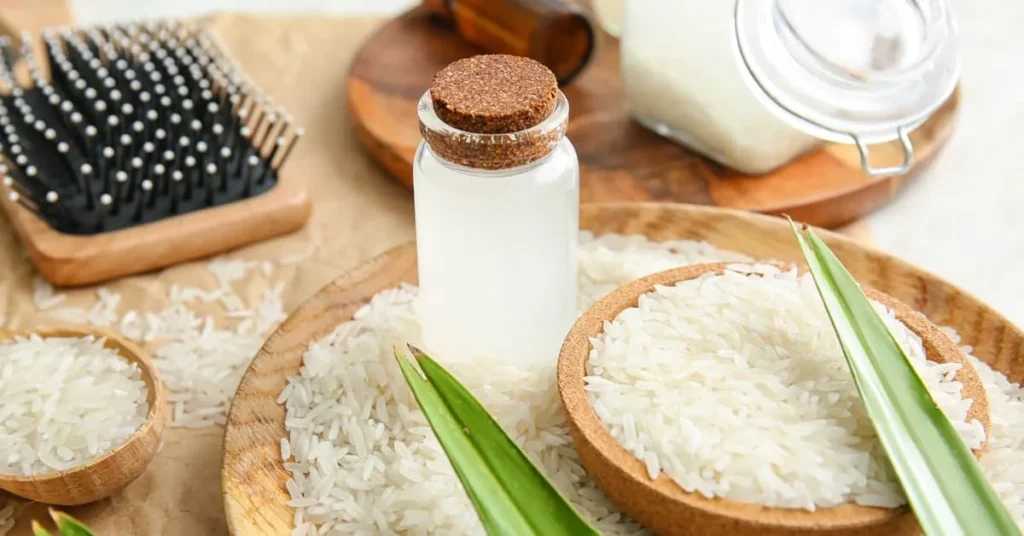
Making Korean rice water for glowing skin takes less than ten minutes of actual work. Use plain white rice. Basmati, jasmine, or Korean short-grain rice all work. Always rinse the rice once first to wash away dust and any polish residue, and use the second wash for your skin.
Method 1: Soaked Rice Water (Easiest, 30 Minutes)
- Rinse half a cup of rice once and drain the water away.
- Add two cups of clean water and let the rice soak for 30 minutes.
- Stir until the water turns cloudy, then strain it into a clean bottle.
- Store in the fridge and use within 4 to 5 days.
This is the version beginners should start with. It is gentle enough for daily use on almost every skin type.
Method 2: Boiled Rice Water (More Concentrated)
- Cook rice with extra water, about double what you normally use.
- Once the rice is done, pour off the extra cloudy water and let it cool completely.
- This version is stronger, so mix it with a little plain water before applying it to your face.
Boiled rice water is thicker and starchier, which makes it especially soothing for irritated or sunburned skin.
Method 3: Fermented Rice Water (The Traditional Korean Way)
- Make soaked rice water as in Method 1.
- Leave the strained water in a covered jar at room temperature for 24 to 48 hours, until it smells slightly sour.
- Refrigerate immediately to stop the fermentation.
- Always dilute fermented rice water with an equal amount of plain water before use, because it is stronger and slightly acidic.
Fermentation increases the antioxidants and lowers the pH closer to your skin’s natural level. This is the version closest to what Korean skincare brands actually use, and the one to choose once your skin is comfortable with the basic soaked version.
How to Use Korean Rice Water for Glowing Skin: The Daily Routine
Using Korean rice water for glowing skin is simple, and the routine takes barely two minutes.
- Wash your face with a gentle cleanser.
- Pour rice water onto a cotton pad, or simply pat it on with clean hands.
- Let it sit for 10 to 15 minutes, then either rinse with plain water or leave it on if your skin feels comfortable.
- Follow with your regular moisturizer to seal everything in.
- Use once daily in the beginning. If your skin loves it, twice daily is fine.
For a deeper treatment once a week, soak a thin cotton sheet mask or plain cotton pads in chilled rice water and leave them on your face for 15 minutes. This is a homemade version of the rice sheet masks sold in Korean beauty stores, at a fraction of the price.
Adjust Korean Rice Water for Your Skin Type
Not every face needs Korean rice water for glowing skin in the same way. Here is how to fit it to yours.
Oily and acne-prone skin: Use the soaked or fermented version twice a day as a toner. The astringent effect controls shine, and the anti-inflammatory compounds calm angry breakouts. Do not skip moisturizer afterward; skipping it makes oily skin produce even more oil.
Dry skin: Once a day is enough, and always at night, followed immediately by a rich moisturizer. Rice water on its own is not moisturizing enough for dry skin; think of it as a treatment step, not a hydration step.
Sensitive skin: Start with the soaked version diluted half and half with plain water. Patch test first, use it every other day for two weeks, and only increase if there is no redness. Avoid the fermented version until your skin has proven it can handle the basic one.
Combination skin: Apply normally all over, but if your cheeks feel tight afterward, add an extra layer of moisturizer there. Combination skin usually responds very well to rice water because it balances rather than strips.
Mature skin: Use the fermented version daily. The higher antioxidant content and the elastase-slowing effect matter most for skin that is starting to lose firmness.
Homemade Rice Water vs Korean Store-Bought Rice Toners
A fair question: if brands sell rice toners, why bother making it at home?
Store-bought Korean rice toners have three real advantages. They are stable for months because of preservatives, they often combine rice extract with other proven ingredients like niacinamide, and their concentration never varies. If you travel a lot or forget to make fresh batches, a bottled toner is the practical choice.
Homemade rice water wins on cost, freshness, and simplicity. There are no preservatives, no fragrance, and no chance of a hidden ingredient irritating your skin. For most people reading this, the smart approach is to start homemade. If your skin responds well after a month or two, you will know rice-based products suit you, and you can then decide whether upgrading to a bottled fermented rice essence is worth the money. Many people never upgrade at all, because homemade Korean rice water for glowing skin keeps delivering exactly what the bottled version promises.
Mistakes That Ruin Korean Rice Water for Glowing Skin (Read This First)
Most complaints about rice water come down to one of these seven mistakes, not the remedy itself.
- Using it past five days. Old rice water grows bacteria and can cause breakouts, which people then wrongly blame on the remedy itself. If it smells bad or looks slimy, throw it out.
- Skipping the patch test. Apply a little behind your ear or on your jaw and wait 24 hours before using it on your whole face.
- Using dirty rice. Always rinse the rice once before soaking, otherwise you are putting dust, starch powder, and polish residue on your face.
- Expecting overnight results. Natural remedies work with consistency. Give it at least three to four weeks before judging.
- Using strong fermented water undiluted. It can sting sensitive skin. Dilute it first, always.
- Storing it outside the fridge. Room temperature turns rice water into a bacteria farm within a day. Fridge only.
- Making huge batches. Make small amounts twice a week instead of one big bottle. Fresh beats convenient.
How to Store Rice Water Properly
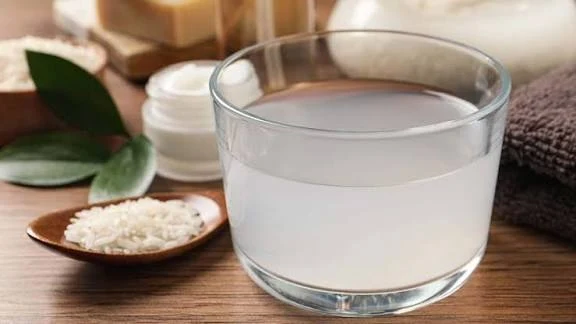
Keep it in a clean glass bottle or jar with a lid, always in the refrigerator. Label it with the date you made it, because after day five it must go. If you want it to feel extra refreshing, store it in a small spray bottle and mist it on your face straight from the fridge on hot days. Never dip fingers into the storage bottle; pour out what you need instead, so the rest stays clean.
Who Should Be Careful?
Rice water suits most skin types, including oily, combination, and normal skin. If your skin is very dry, use it only once a day and always follow with a good moisturizer, because rice water alone is not moisturizing enough. If you have active eczema, open acne wounds, or a diagnosed skin condition, check with a dermatologist before adding anything new to your routine. And if you notice itching, burning, or new bumps after using it, stop immediately; no home remedy is worth forcing.
Rice water is just one piece of the Korean skincare approach. To see how it fits into a complete routine with cleansers, essences, and masks, read our full guide on Korean Treatment for Skin.
Frequently Asked Questions
Does Korean rice water for glowing skin really work?
Yes, with realistic expectations. Korean rice water for glowing skin works because of inositol, ferulic acid, and vitamins B and E, which brighten tone and strengthen the skin barrier. It will not transform your face in a week, but with daily use for a month, most people see a noticeably fresher, more even glow.
Can I leave rice water on my face overnight?
Yes, many people do, and it is generally safe on normal and oily skin. Start by leaving it on for 15 to 20 minutes for the first week. If there is no irritation, you can leave the soaked-method rice water on overnight. Do not leave fermented rice water on overnight without diluting it first.
How many days does rice water take to show results on skin?
Most people notice softer, fresher-looking skin within one to two weeks. Visible brightening and fading of dark spots takes six to eight weeks of daily use. Consistency matters more than quantity.
Which rice is best for rice water, basmati or short-grain?
Any plain white rice works, including basmati. Korean and Japanese short-grain rice releases slightly more starch, which makes the water a little more concentrated, but the difference on skin is small. Use whatever rice is already in your kitchen. Avoid heavily processed instant rice, which has less of the good stuff left.
Does rice water clog pores?
Fresh rice water does not clog pores; it actually helps tighten them. Problems only start when people use rice water that is more than five days old or was stored outside the fridge, because bacteria in spoiled water can trigger breakouts.
Is fermented rice water better than plain rice water?
Fermented rice water contains more antioxidants and is closer to what Korean skincare brands use in their products. However, it is also stronger and slightly acidic, so it must be diluted. If you are a beginner, start with plain soaked rice water for two weeks, then move to the fermented version.
Can rice water remove dark spots completely?
It can fade them, not erase them. Light sun spots and fresh acne marks respond best, usually over six to eight weeks. Deep, old pigmentation needs stronger treatments from a dermatologist, though rice water still helps by brightening the surrounding skin.
Can I use rice water on my hair too?
Yes. Rice water is famous for hair as well, thanks to the same inositol that benefits skin. It is used as a rinse after shampooing to add shine and strength. Keep in mind that low porosity hair should use it sparingly, about once a week, to avoid protein overload.
Can men use rice water on their skin?
Absolutely. Skin is skin. Men dealing with oily skin, razor irritation, or dullness get the same benefits. Patting on chilled rice water after shaving is actually one of the easiest ways to calm post-shave redness.
The Bottom Line
Korean rice water for glowing skin is that rare home remedy with both centuries of tradition and modern science quietly backing it. It brightens, tightens, soothes, and protects, all for the price of a handful of rice. Make a fresh batch every four to five days, match the method to your skin type, be consistent for a month, and let your skin show you why Korean women never stopped using it.
This article is for general information only and is not medical advice. If you have a skin condition, consult a dermatologist before trying new remedies.